
While many style-conscious consumers around the world have come to rely on fast-fashion retailers for the latest looks at low prices, disasters such as the 2013 Rana Plaza factory collapse in Dhaka and documentary films such as The True Cost are opening consumers’ eyes to the brutal working conditions, environmental degradation, and unethical practices that the fast-fashion industry contributes to.
Designers, too, have taken notice, and several across India are rejecting fast-fashion and are instead defining their brands by ethical practices, ranging from working exclusively with fair trade producers, to opting for organic fabrics and natural dyes, and using recycled materials for their designs.
While in Delhi, I explored the eco-fashion scene, finding long-established retailers and up-and-coming designers showcasing their sustainable designs. A few that caught my eye are listed below:

Bodice – Nestled in the chic and bustling Hauz Khas Village in New Delhi, Bodice steers away from one-time use, occasional wear that is abundant across Delhi and instead offers contemporary yet timeless closet staples. Designer Ruchika Sachdeva incorporates sustainable production practices and utilizes natural textiles native to India that are woven by local artisans. Her designs are inspired by western menswear and offer androgynous, high-quality products that are made to last.
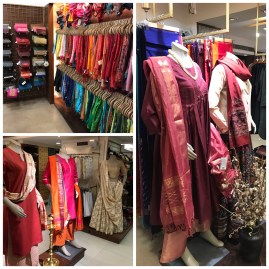 Fabindia – A familiar brand across India, Fabindia has a 50+ year history of offering handcrafted clothing and linens made from high-quality natural fabrics, while simultaneously supporting sustainable employment in rural areas. The company employs skilled artisans across India, particularly in rural villages, and aims to maximize the traditional handmade process of using handwoven and hand block-printed textiles and vegetable dyes whenever possible. The fabrics are durable and the styles are classic Indian and western wear that are intended to stand the test of time.
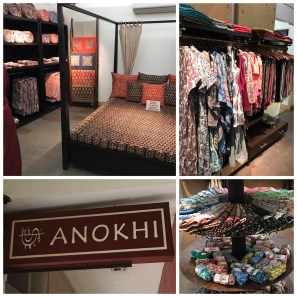 Anokhi – With locations across India, Anokhi offers timeless Indian and western attire and household linens, distinguished by bold prints. Anokhi uses natural fabrics and dyes and features traditional hand block-printing. The brand is committed to sustainable, ethical employment, and has a history of establishing trusted relationships with artisans in Jaipur who are supported to work from the comfort of their homes.
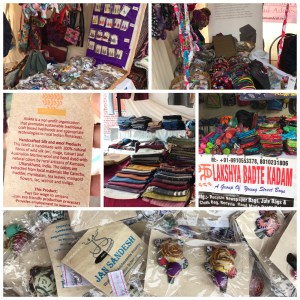
Dilli Haat – My favorite shopping stop in Delhi, Dilli Haat, is an open-air bazaar with vendors featuring just about everything you can think of — handicrafts, clothing, jewelry, handbags, shawls, shoes, art, rugs, furniture and food. Mixed in among the more common Indian souvenir and trinket stalls are booths rented by nonprofit organizations supporting fair employment in India and sustainable and upcycled products. A few that caught my attention in my most recent visit were:
- Avani, a nonprofit organization based in Uttarakhand, takes a sustainable approach to producing their EarthCraft brand shawls and other textiles while supporting rural employment. EarthCraft textiles are made from natural, sustainable fabrics, including wool and wild silk — primarily “Ahimsa silk”, or nonviolent silk. Avani also uses only natural dyes from local resources such as marigolds, tea leaves, walnut and indigo, and they leverage clean energy options such as solar energy to power their production.
- Jan Sandesh, a Delhi-based NGO that helps provide training and employment to women in urban slums by making accessories and craft items from upcycled waste materials such as newspaper and plastic bags.
- Lakshya Badte Kadam, an NGO that provides vocational skills to young men who craft handbags, wallets, and notebooks from jute, recycled paper, and scrap fabric.
 india reFashioned